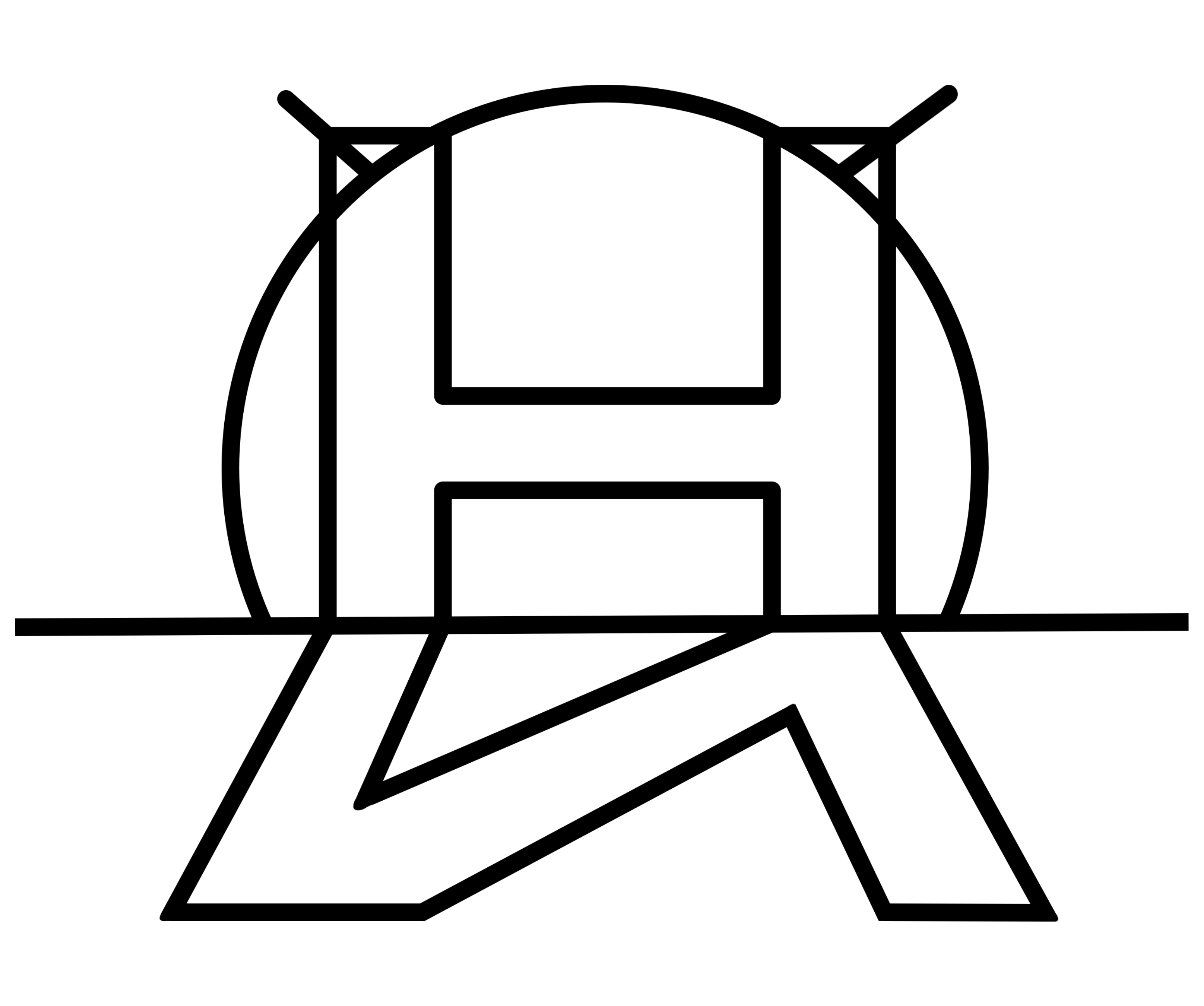
William Stafford
an interview with Kingsley Snow
William Stafford, 2008, Excerpt from The Ease
Have you ever lived in Melbourne?
Nope. Always lived in Perth.
You've never lived anywhere else?
Not really. I was born in Carnarvon but we moved to Perth when I was two.
I spent about 24 months away from Perth during the early-2000s but I was just a tourist.
How so?
Moving regularly. Not really forming deep connections. Watching with a remote eye.
Like a flâneur?
I guess.
Where did you go?
Italy. Istanbul. I stayed in Belgrade for a while.
Just after the war?
Yeah. It was interesting.
Were you still making music at the time?
I was, but I'd lost my enthusiasm. I thought the chance to perform before different crowds
would bring it back. The shows were fun and I continued doing them as a way to meet people,
but I learnt pretty quickly that music was over for me. In hindsight it was obvious.
The last recording I did was terrible [Willenium (CDr), 2000, Dragging Sensation
Recordings; a culture-jam of the Will Smith album of the same name - ed.]. It
was a really poor effort. And I missed working on photocopiers. I had access, but
it was hard to find places that would allow you to mess with them. I guess more
importantly I couldn't get the privacy I wanted.
My introduction to your photocopier art was the cassette covers you created for the Dragging Sensation label.
I'm surprised when people tell me they like that stuff.
William Stafford, 2008, Excerpt from The Billboard
Those covers specifically? I really like those.
Yeah. I guess it was the interference of the other artists involved.
They'd have ideas, or they'd ask me to use specific images. I guess
that didn't really excite me. At the time it was just good to get the work out.
So the subjects of your early works weren't important?
Not at all. They were just images that were readily available; in newspapers
and other printed material I'd find at work. Maybe they looked vaguely interesting
or they fit with the themes I wanted to explore, but the identity of the subject wasn't important.
William Stafford, 1996, Wash Statue and Satay Crumb cassette cover
Did you do cover artwork for every release on Dragging Sensation?
Yeah, I think so.
What struck me about your use of photocopiers at that time was that you
weren't only interested in détournement techniques or the ephemeral or
disembodied nature of photocopies; you really worked the images. They
weren't just copies.
When I started, the copiers were just expedient. I had ideas and the copiers were available.
I was working at an CES office. I could stay behind after everyone had gone home.
So you weren't interested in testing the photocopiers specifically?
Not immediately. I mean, their unique qualities weren't what inspired me to start
working with them. At the time, if I had access to the internet and state-of-the-art
imaging software I would have used them to express the same ideas.
But I don't think you would have been inspired to create stuff
like 100 Times if you were using a Macintosh.
That's true. I did 100 Times after I began working at Centrelink,
after CES was shut down.
You worked at Centrelink?
Yeah. And I only quit to go travelling, so I was there for about five-or-so years.
If you include the time I was at CES it was about twelve years. It was definitely
a formative experience.
In terms of your artwork specifically?
Yeah, I see it in there. I started working at CES out of school.
I'm not sure how I even finished school as my mum had been fighting
cancer. The last two years of school especially, it really took a toll.
I got the job through one of my teachers, I guess they felt a bit
sorry for me. Unemployment was about 10% at the time, and without
qualifications, I felt like a fraud. We'd get a lot of old men coming
in who'd never been unemployed in their lives. They couldn't understand
what was going on, why they needed to learn new skills. A lot of confusion
and frustration. Anger. Total loss of control. Noise.
William Stafford, 1992, Untitled
Total loss of control; that's how you define noise?
In a way. Specifically it's an interference. Frustration.
Frustrated communication. Degredation. Duplication flaws.
Have you ever participated in a gallery show?
No. I've lost count of the number of times I've been asked.
I just haven't been interested and people stopped asking.
Was your transition to book formats an impulse to avoid these requests?
[laughter] No. I guess it's just a natural progression of where I was
going with 100 Times and stuff like that. Absurd serialism. Putting
that abstract stuff into a format heavily associated with narrative.
And then you flirted with narratives in stuff like The Ease
I read comics as a kid and I guess I still like them, but when I read
new stuff, like the stuff my kids are into, where almost all exposition
is through dialogue and narration, I feel cold. Those frustrations
were what motivated me to start The Ease.
Is Noise Music in particular an inspiration for these comics? Especially
the comic-like books such as The Billboard?
Probably. Noise Music in album format is a statement about the commodification
of music. The mimicry of albums through song titles and pop-song durations.
There's a definite similarity to my comics.
You've resisted the internet for years and despite stating that you'd use
graphics software if it was available, you haven't now they are affordable.
Would you describe yourself as a technophobe?
No. [laughter] Aren't photocopiers technology?
What about refusing to share your work - especially your comics - online?
Because nobody has asked. [laughter] I mean, I wouldn't read comics online myself
so I guess I'm unmotivated rather than outright refusing. I need to touch the paper
and see it's flaws, knowing that my own copy has its own unique characteristics,
even if they're only minute. I don't think that's technophobia.
William Stafford, 1994, Untitled
***
William Stafford's previously unfinished work The Ease is being published serially in THE NEW HESPERIAN zine.