Kim McGrath
remembered by Katerina McGrath
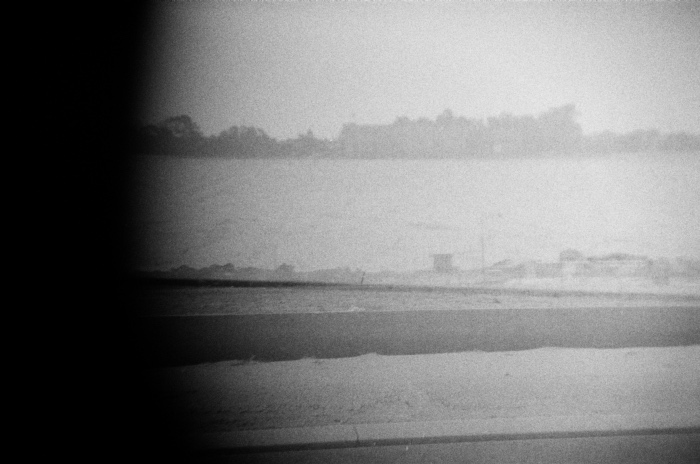
Kim McGrath, Untitled #1 (2019)
My older brother Kim is dead and I'm still angry about it. I'm angry about the
way he was forced to live his life. I'm angry that there were so many fundamental
human experiences - like earned respect, or romantic love - that were denied him
by the people he should have been able to trust. And, most of all, I'm angry that
nobody thought to inform me. Instead, I had to find out through a devastating piece
of Borgesian happenstance that could only be played on an arts historian; the
horrible truth revealing itself to me in a western-suburbs antique store many
months after the fact. It was then and there that I was struck by a beautifully-illustrated
quarto on medieval machinery; a book that would have made a perfect gift for Kim had it
not proved to have once been in his possession already via the the handwritten
inscription on the frontispiece. It was an ominous sign. Kim was never one to
dispose of any of his things, and it was this knowledge that forced me into a
frantic line of inquiry that was mercifully obliged by the store-owner, whereby
I was soon able to discover that what remained in-store of the bulk lot that
had contained Kim's old book, shared the eclectic "boy's own" tastes that
I knew to be his. A subsequent Google search revealed the obituary I knew
deep-down that I would find; an altogether shocking revelation that Kim had
actually passed a few months before, without anyone feeling it necessary to
tell me.
Kim McGrath was born in 1968, and in his own estimation, his had been a happy
childhood. I myself would never have described it as happy, but there is no
denying that childhood was probably the best period of Kim's tragic life. He
was my mother's first child, and like all narcissists, she either never noticed,
or chose not to worry, that her child was not reaching certain developmental
milestones, instead interpreting his obsessive interest in the images contained
in her extensive collections on archaeology and astronomy as a sign of his brilliance,
and it was not until he began primary school that he was diagnosed with a non-verbal
learning disorder. It was a diagnosis that our mother refused to accept, seeking out
other schools - and other psychiatrists - yet the same diagnosis was formed, with Kim
learning indirectly that a disability was a thing to be shamed. Ten years prior, this
was generally the case, but it was not the prevailing view in the 1970s, when
inclusion had become the norm. It meant that Kim would attend a mainstream school,
but without our mother's participation in any intervention, he would do so without
the support that he needed, ensuring that every day became a reminder of how far
behind he actually was. He did his best to cope, finding a niche for himself in
his interests, which, beyond the aforementioned archaeology and astronomy, had grown
to include cricket, consumer technology, aeronautics, and Italian sword-and-sandal
epics. These interests remained stable for the remainder of his life, and although
they would later form part of an additional diagnosis of Asperger Syndrome that he
would also vehemently reject, they provided him with a semblance of dignity that I
suspect he was seeking when he retreated into these interests whenever things became
too hard.
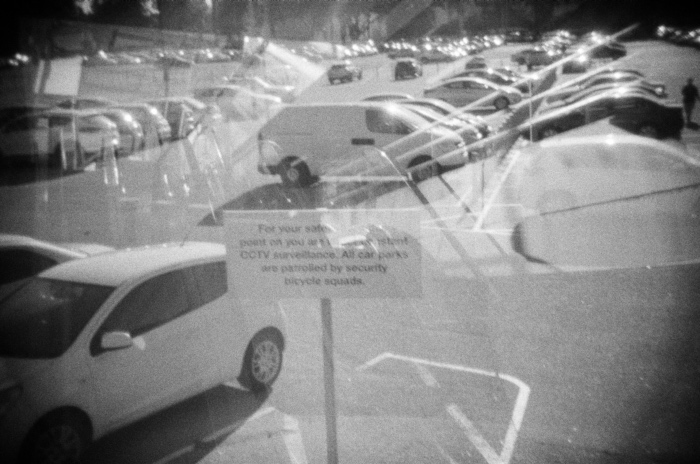
Kim McGrath, Untitled #18 (2019)
By the time Kim had started high school, he was well and truly segregated within the
remedial program, before his inability to meet even these requirements led to him being
asked to leave school and attend what was essentially a sheltered workshop. He was 14
years old, and my mother had long since stopped fighting for him by this time. No longer
able to deny that her son was disabled, she chose instead to busy herself with her own
life by simply pretending that none of Kim's struggle was real. It was a world-class
delusion, as the sheltered workshop was worse than anything Kim had ever experienced
to that point in time. Here, he was forced to spend long hours cutting cloth, or
folding pamphlets; monotonous activities he himself recognised as useless "busy work"
that managed to bore him and test his poor coordination at the same time. This one-size-fits-all
solution to disabilities isn't used anymore for a reason; Kim's own experience exemplifying
this, whereby his strengths in verbal communication and his memory for facts were
underutilized, while his weaknesses with manual dexterity were exposed by work he should
never have been forced to do. Given that his verbal communication was relatively normal,
it was often presumed that he was more competent in other domains than he actually was.
This, combined with his own steadfast denial of his disability, and his embarrassment
at being sequestered with disabled people - whom he saw himself as being above due to
our mother's vocal prejudice - meant that he was still having to confront his shortcomings
on a daily basis, and it was not long before he became severely depressed. He put on a
huge amount of weight, which he would struggle with for the remainder of his life, and
would complain daily of his immense despair, with frequent allusions to suicide.
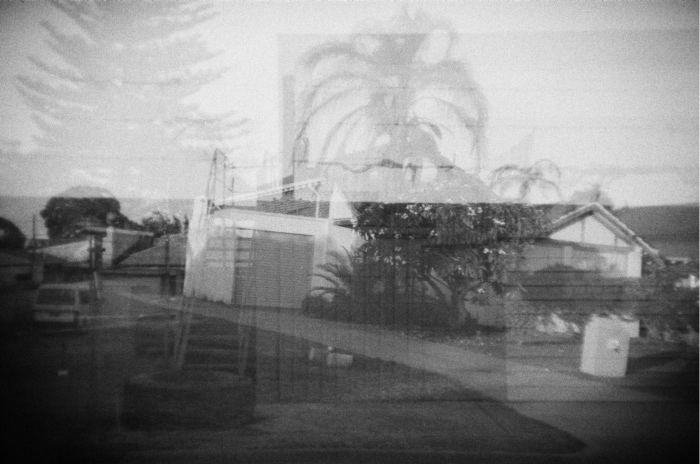
Kim McGrath, Untitled #32 (2019)
After much protest on his own behalf, Kim was allowed to leave the sheltered workshop at
the age of seventeen. It would be the last time he belonged to any meaningful community,
and for the remainder of his life he was subject to a series of independences for which
he was never adequately prepared. Our mother, wary of Kim spending all his time at home,
forced him to deliver newspapers, a job that he hated if only because he was aware of the
low regard our mother held for this kind of work. It was forced upon him anyway, as our
mother had hoped it would help him lose weight, and when it did not - with his mood remaining
as low as it had ever had - our mother then decided that his problems were due to the
"infantilized mindset" resulting from his desire to remain in the family home well after
reaching adulthood; her fierce victory against the Department of Housing for a one-bedroom
unit conveniently ridding her of Kim's presence under the pretence of an independence he
was never ready for. This was devastating, for both Kim and myself, as in the face of our
mother's raging narcissism, we had both come to rely upon each other by this stage in our
lives. Kim, in fact, had become my favourite person in the world, as he was the only adult
I knew who would not treat me like a child. Likewise, Kim appreciated that I actually saw
him as an adult, and had myself taken to many of the same passions. But, despite our mutual
affinity, we lost touch for a while, as our mother soon banned him from the house "for his
own good" after his visits became too frequent; Kim himself refusing to allow me to visit
him, which I would learn years later was due to the shame he felt at being housed in a complex
with other disabled people. It was only after I turned eighteen that we would resume a
meaningful sibling relationship that was centred around the frequent holidays we took
together; Kim appreciating the opportunity to travel that would have otherwise been denied
him. Because, despite the wonderful time we experienced, these holidays inadvertently revealed
the limited living skills he possessed. His diet was atrocious, his grooming and personal
care non-existent, and he was hopelessly overwhelmed by even the most minor of novel situations,
which flew in the face of the adventurous, fun-loving autodidact he tried to affect. These
glimpses into his domesticity made it difficult to ignore the tragedy of his everyday life;
a man so evidently in need of assistance, refusing - in both a figurate and literal sense -
to let anyone in. It meant that despite his desperate yearning for love and acceptance, he
would never find it, lest someone discover the real Kim, whom he himself hated so very much.
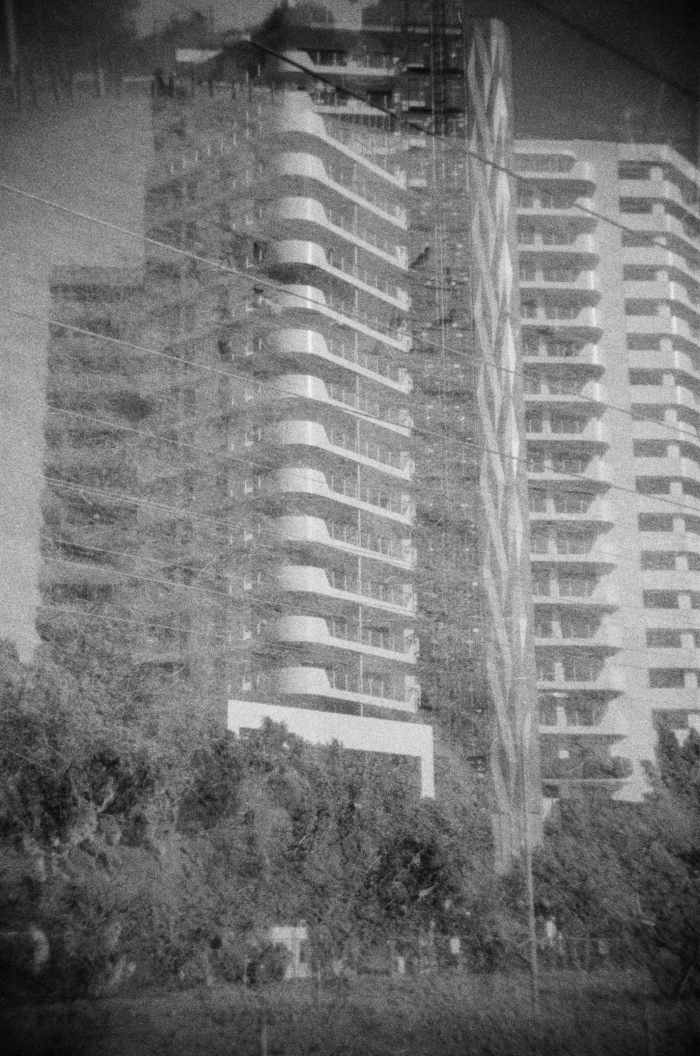
Kim McGrath, Untitled #17 (2019)
After I left Perth, Kim and I again lost touch. We would spent intermittent periods in email contact,
though as the years went by we were incommunicado more often than not; this I suspect had aligned with
the vicissitudes of his co-dependant relationship with our mother, with Kim no doubt feeling pressured to
ignore me in a misguided sense of loyalty towards her. I still have no idea how he has died. I hope it
was sudden, which is likely given his poor diet and a long family history of heart disease. What I do
know for certain is the speed and callousness with which our mother had disposed of his possessions;
this I consider the worst of a lifetime of cruel acts. Because it was - more than anything - a rejection
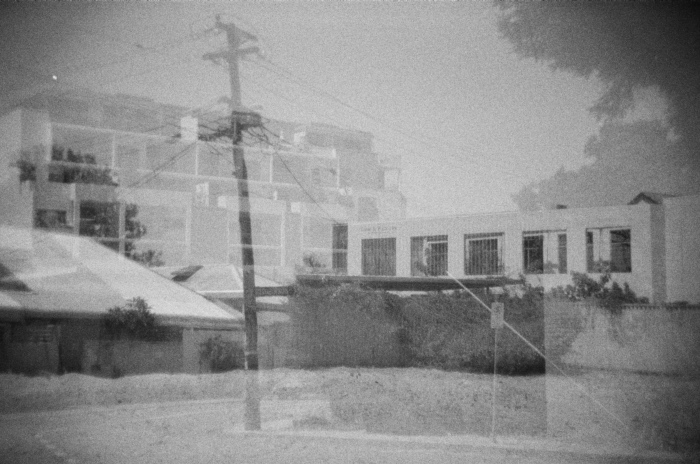
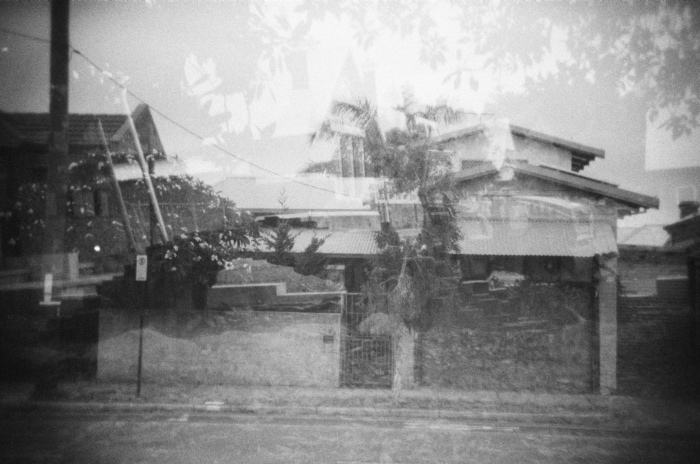
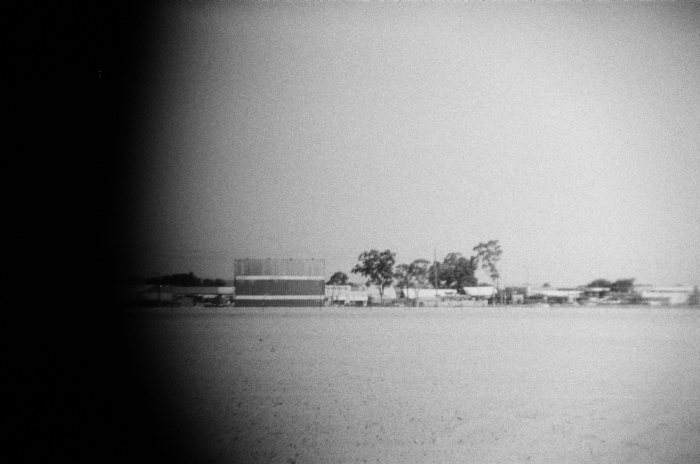
of Kim. Kim was his books. He was his map collection. And - above all - he was his photography, which
was a passion I had no idea he'd discovered until my chance visit to that antique store; the envelope of
photos amongst what remained of his things a small mercy amidst the absurd circumstances in which I'd
found myself. Because, despite my grief, I was at once overcome by the purity of the images I found;
the evident lack of technique or tutelage in their production were the Kim I loved, while the conspicuous
lack of people in the images betrayed the tragic loneliness of his life. For good and bad, this was Kim.
This was the person he'd spent his whole life trying to hide, living forever now in these photos, which
is why I can never forgive their flippant disposal for the insignificant cash my mother received for
them. It should be no wonder that Kim had hated himself; it all stemmed from our mother's total
rejection of who he actually was. I can therefore think of no better tribute than to share his images
with the world via this publication; to affirm the immortality of a beautiful soul, despite the
protestations of our mother, who will forever rot in hell for what she has done.
***
Kim McGrath, Untitled #15 (2019)
Kim McGrath, Untitled #21 (2019)
Kim McGrath, Untitled #2 (2019)
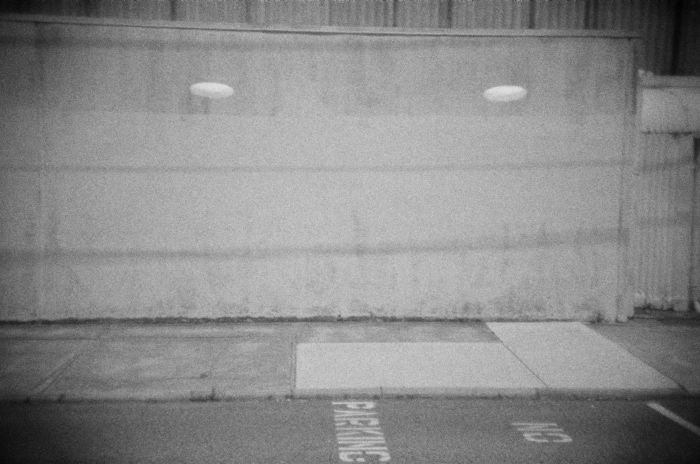
Kim McGrath, Untitled #16 (2019)
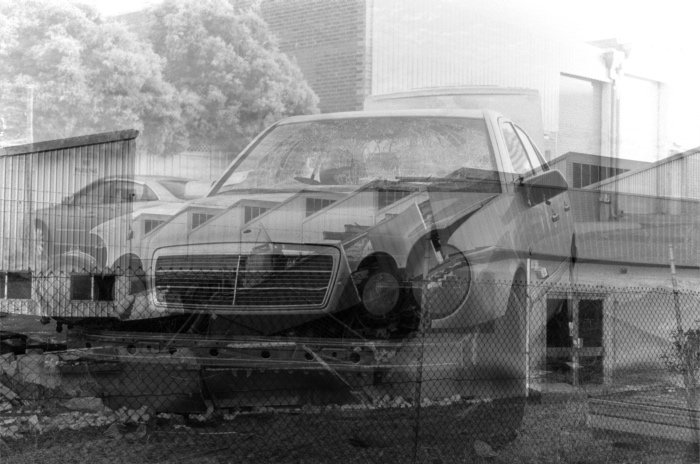
Kim McGrath, Untitled #4 (2019)
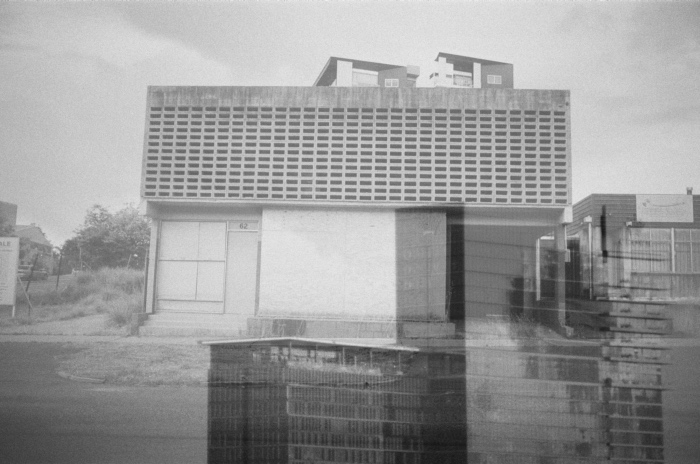
Kim McGrath, Untitled #6 (2019)
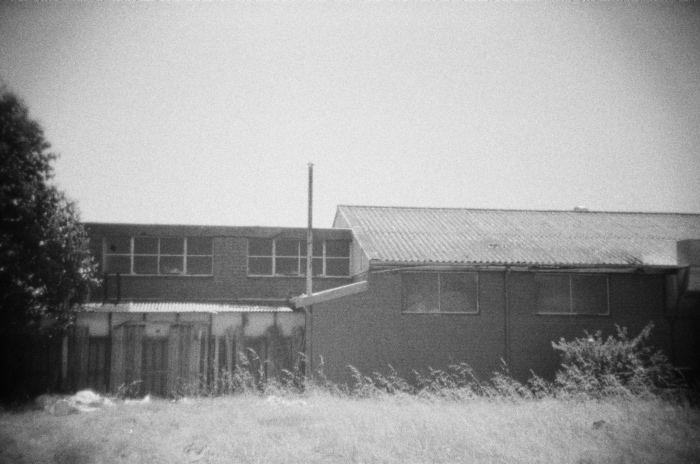
Kim McGrath, Untitled #12 (2019)
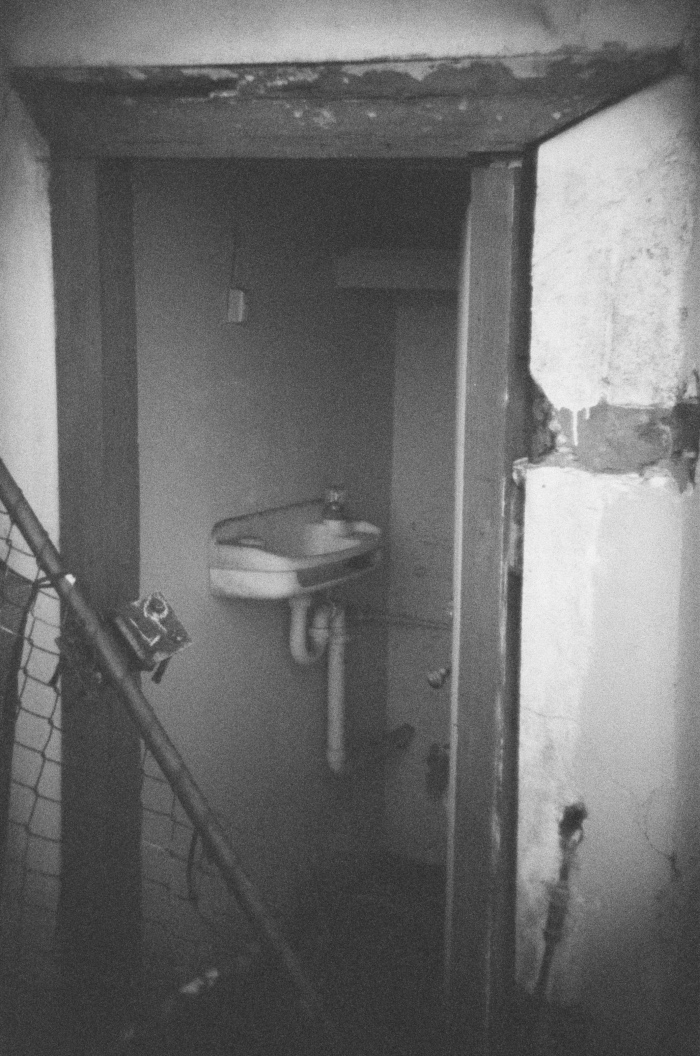
Kim McGrath, Untitled #27 (2019)
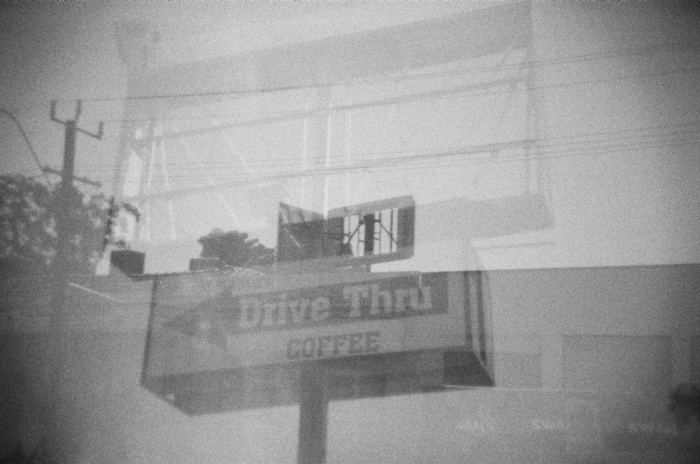
Kim McGrath, Untitled #30 (2019)
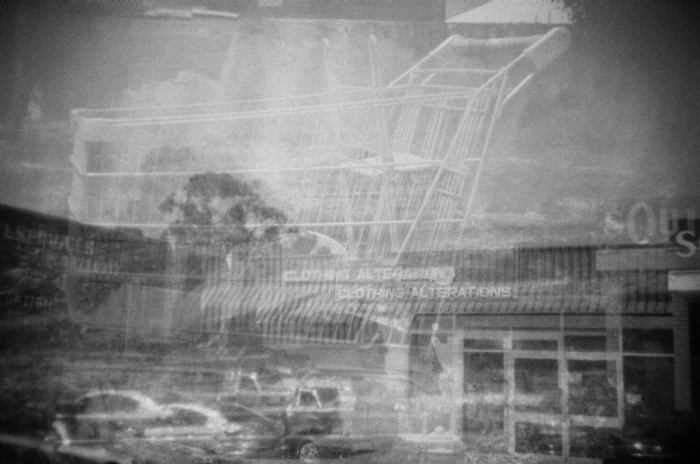
Kim McGrath, Untitled #9 (2019)